Photos and Astro photos
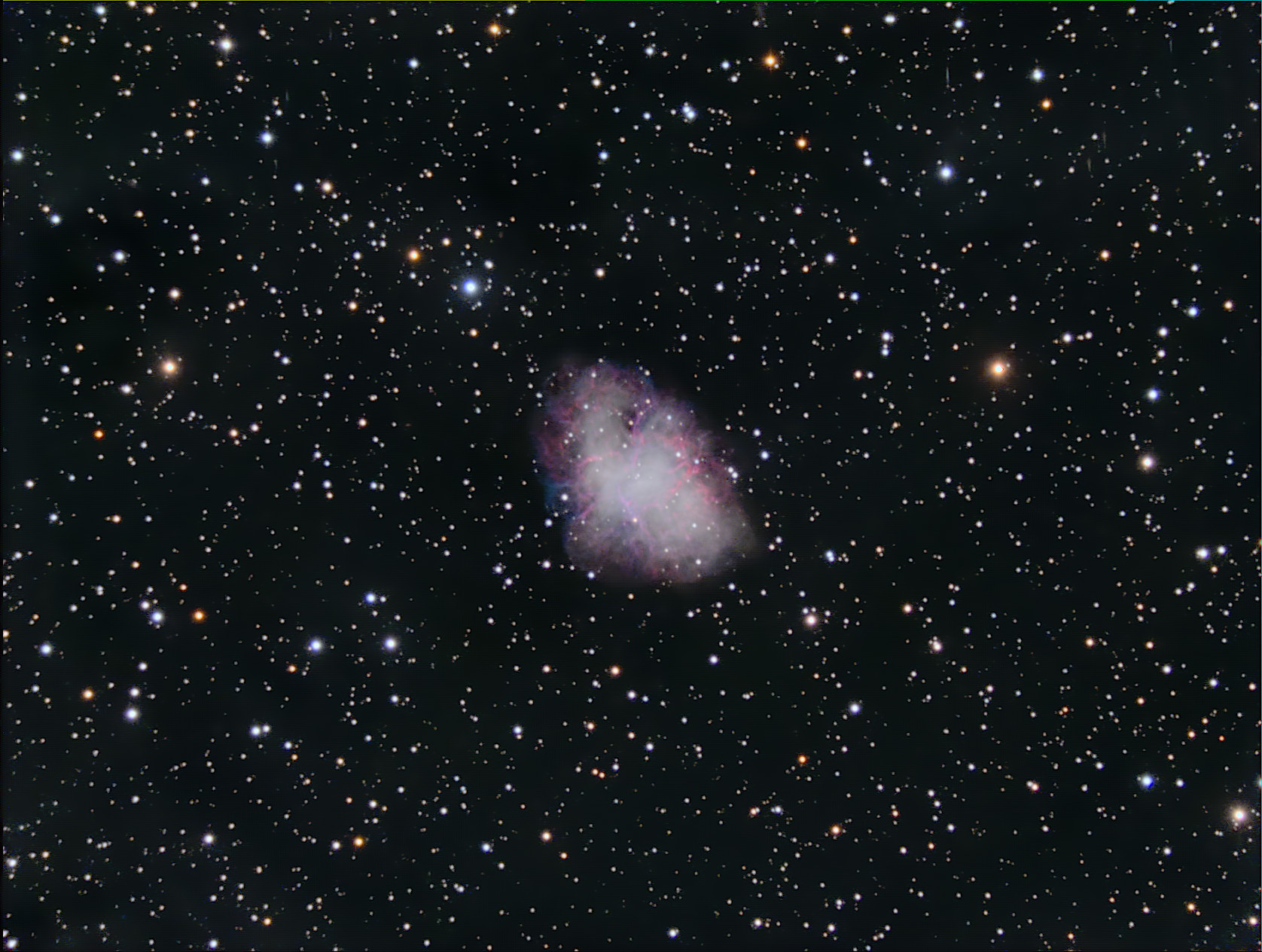
The Crab nebula M1
Imaged December 2025. Celestron C11, Atik383L+ mono camera. About 2 hours of total exposure time. Most (~70%) of the exposure time was through a LUM (clear) filter. The remaining time was split between red,green and blue filters. The colour image is then constructed by stacking and combining these in Siril. M1 is the remains of a supernova explosion that happened in 1054. There are records from Chinese astronomers of a ‘guest star’ which appeared in the sky. The bubble of gas has been expanding ever since.
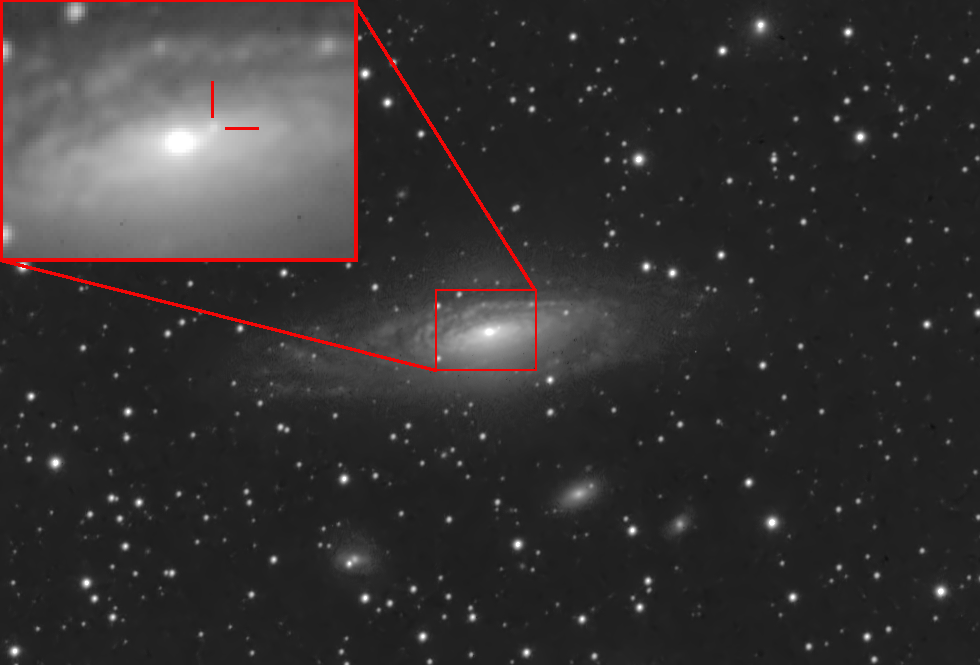
Supernova SN2025rbs in NGC7331
October 2025. 36x1min exposures stacked in Siril. Photmetry using astropy photutils. Mag 15.55 2025-10-23-20-56-35. A luminance filter was used instead of a photometric filter so not standard. Submitted to AAVSO as ‘CV’ filter.
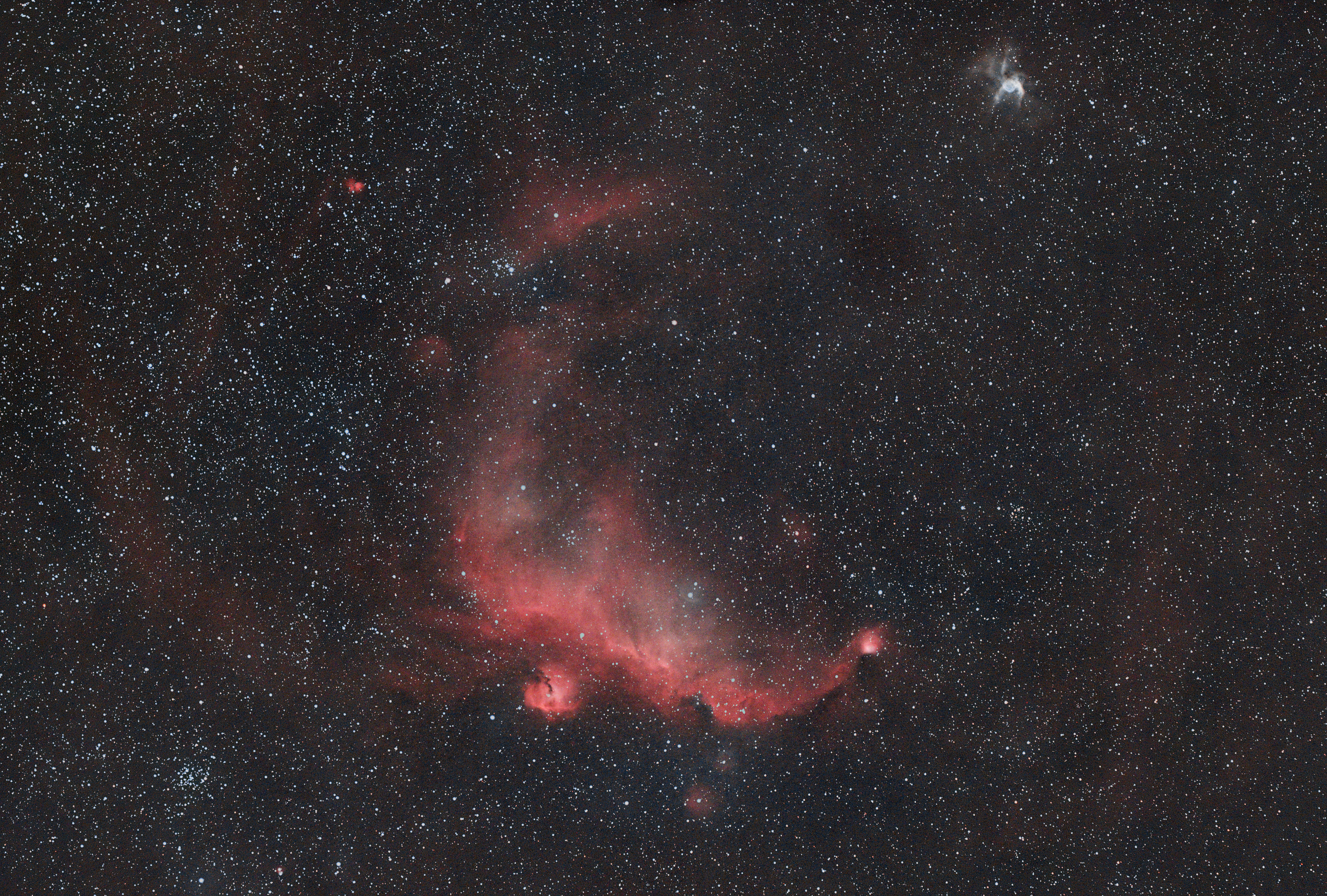
Seagull nebula and Thor’s helmet
January 2025. 90minute exposure (30x3min) using a Samyang 135mmF2 lens & modified Canon DSLR. Click image for full resolution in new tab.
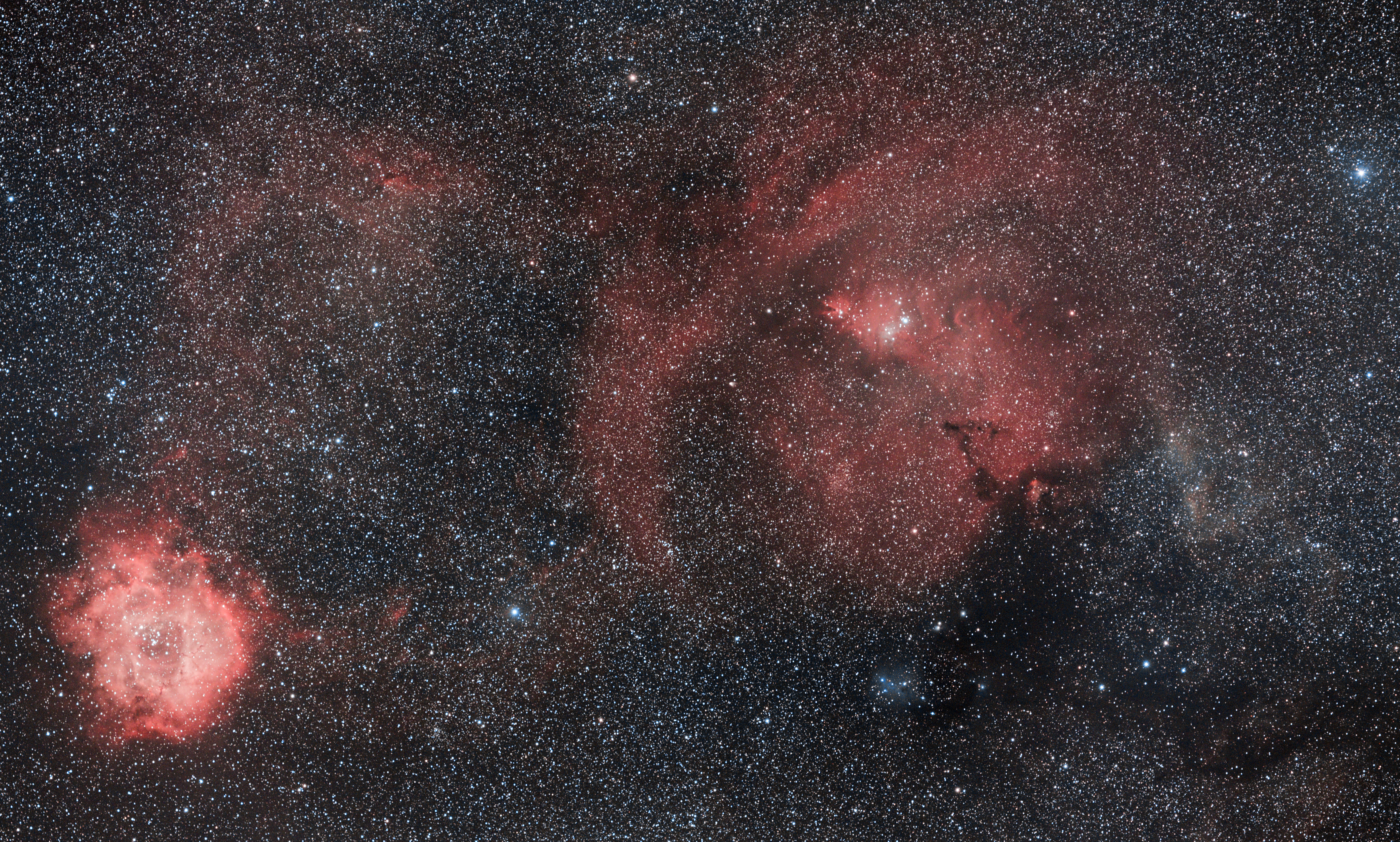
Monoceros region
January 2023. 3.3hrs exposure (49x4min) using a Samyang 135mmF2 lens & modified Canon DSLR. Click image for full resolution in new tab.
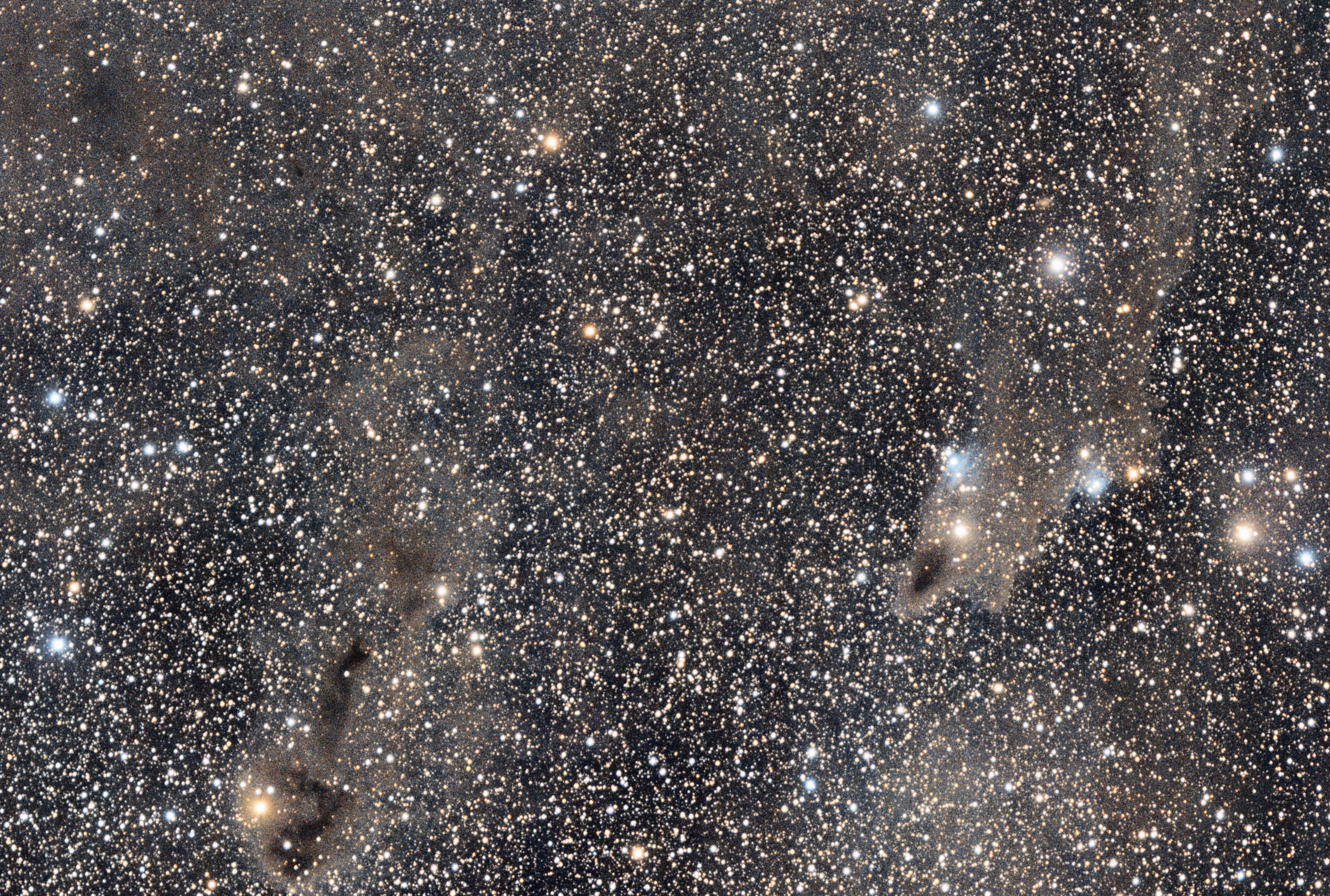
The dark shark (LDN1235) and LDN1251 in Cepheus
December 2022. 4.5hrs exposure using a Samyang 135mmF2 lens & modified Canon DSLR. These are cold dusty clouds which block light from background stars. Click image for full resolution in new tab.
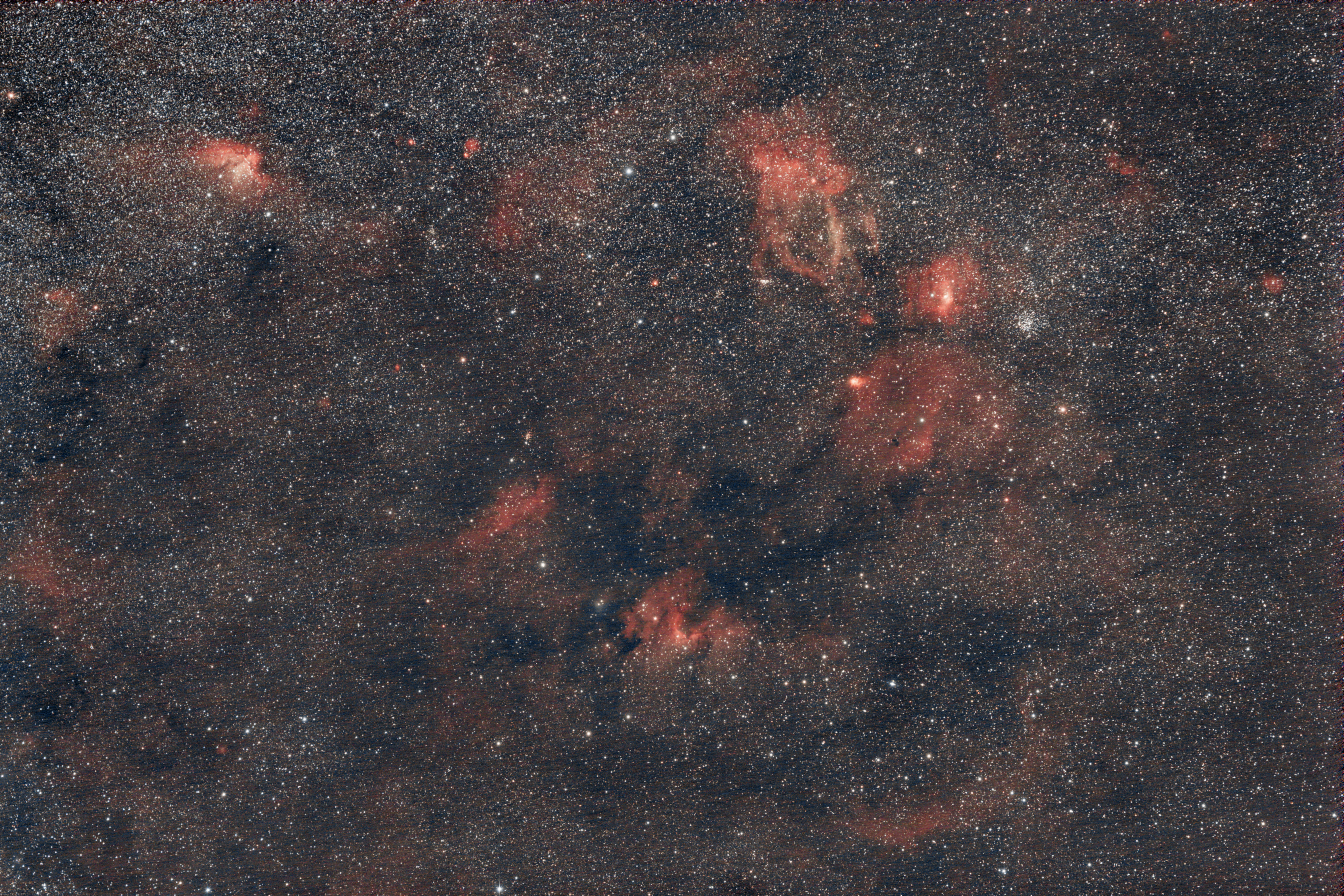
The Cassiopeia Cepheus region
September 2022. Samyang 135mm F2 lens at F2.8. 60x3min (3 hours). Modified Canon kiss x7i camera (EOS700D) + Optolong l-enhance filter. Click image for full resolution in new tab.
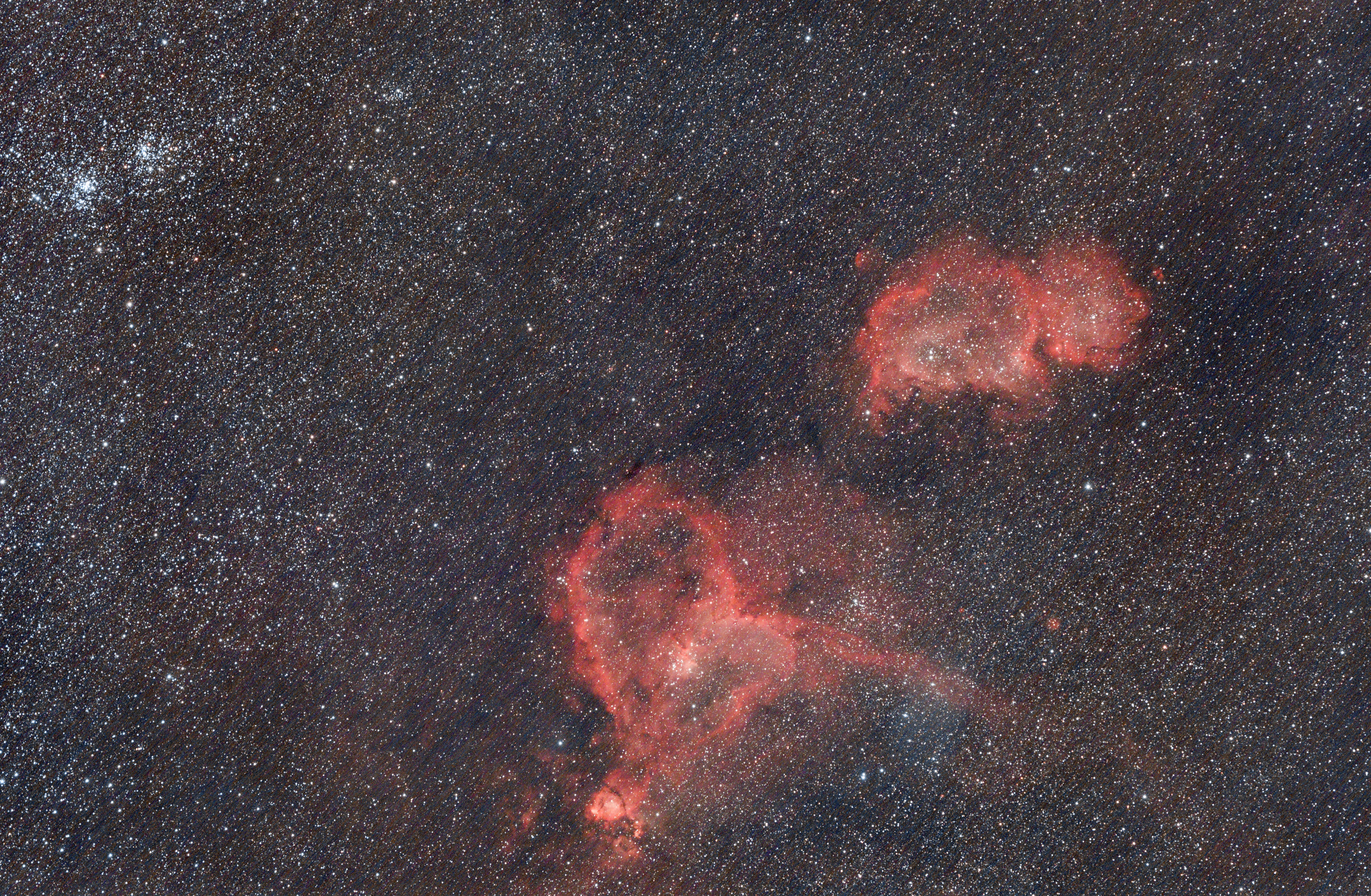
Heart & Soul Nebula with the double cluster
September 2022. Samyang 135mm F2 lens at F2.8. 52x3min (2.5 hours). Modified Canon kiss x7i camera (EOS700D) + Optolong l-enhance filter. Click image for full resolution in new tab.
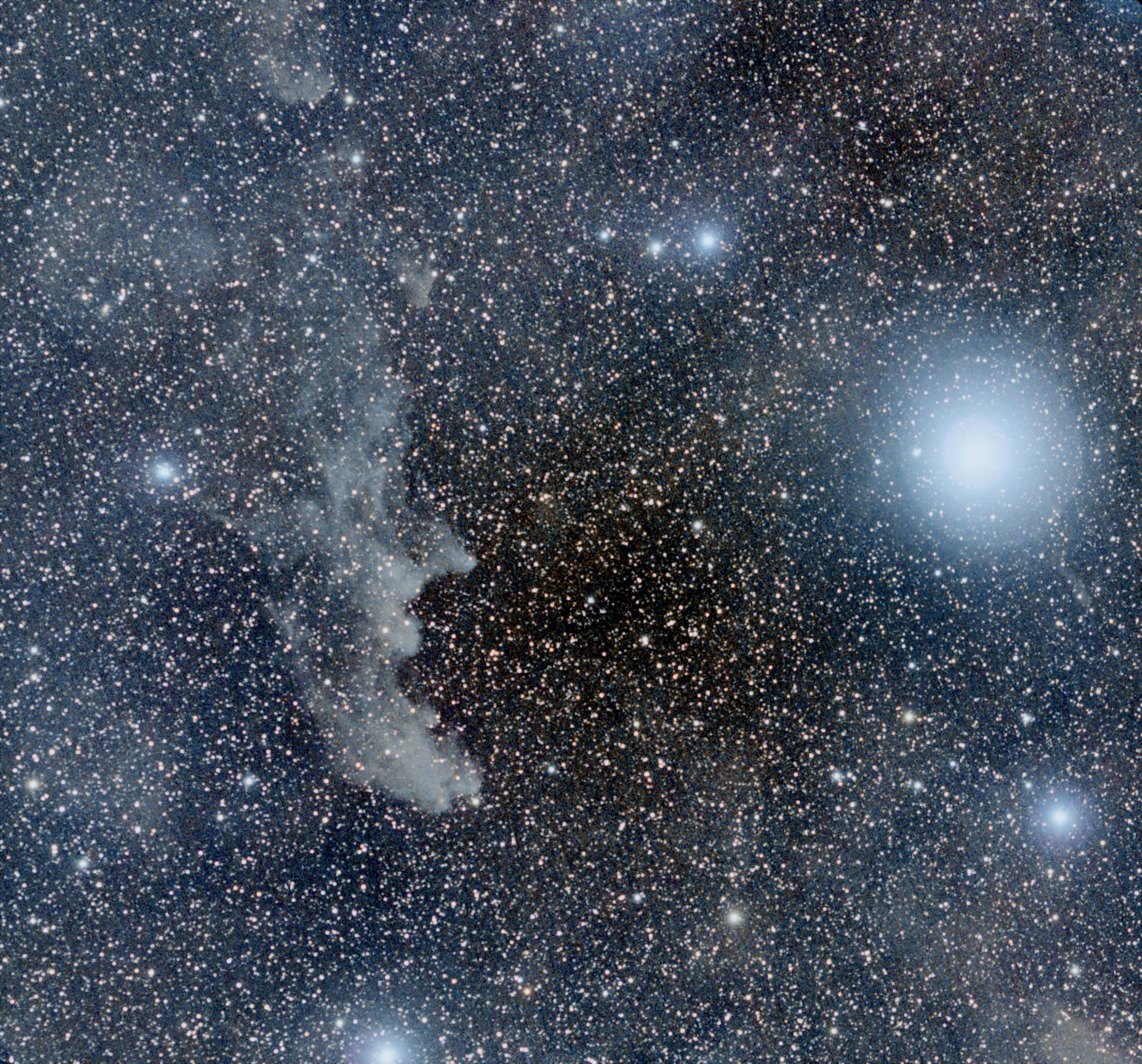
Witch head nebula
March 2022. Samyang 135mm F2 lens. 92x1min. Modified Canon kiss x7i camera (EOS700D). Click image for full resolution in new tab.
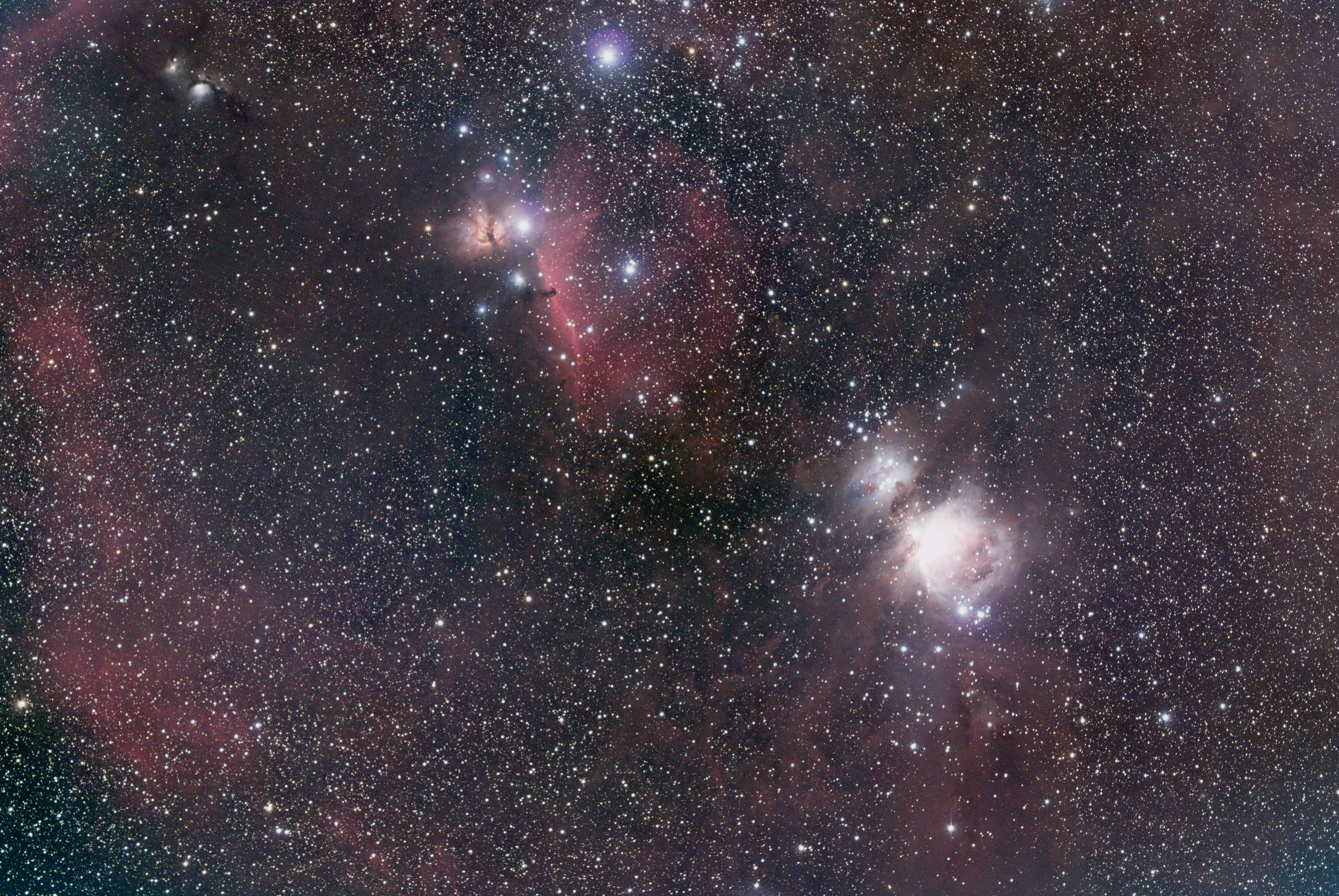
Orion region
February 2022. Samyang 135mm F2 lens. 100x1min. Modified Canon kiss x7i camera (EOS700D). Click image for full resolution in new tab.
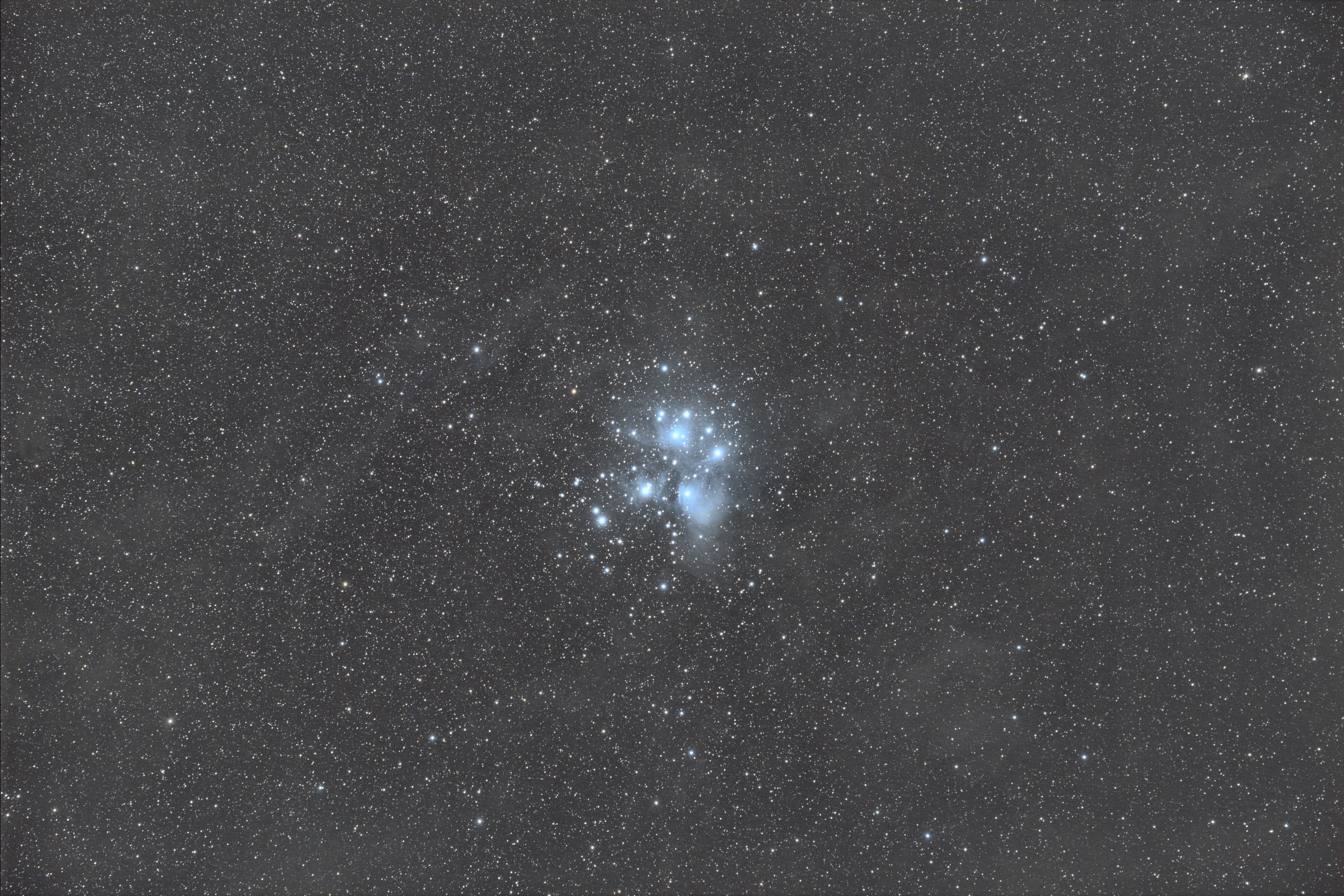
M45 The Pleiades, The seven sisters, スバル
December 2021. Samyang 135mm F2 lens. 57x1min. Unmodified Canon kiss x7i camera (EOS700D). Click image for full resolution in new tab.
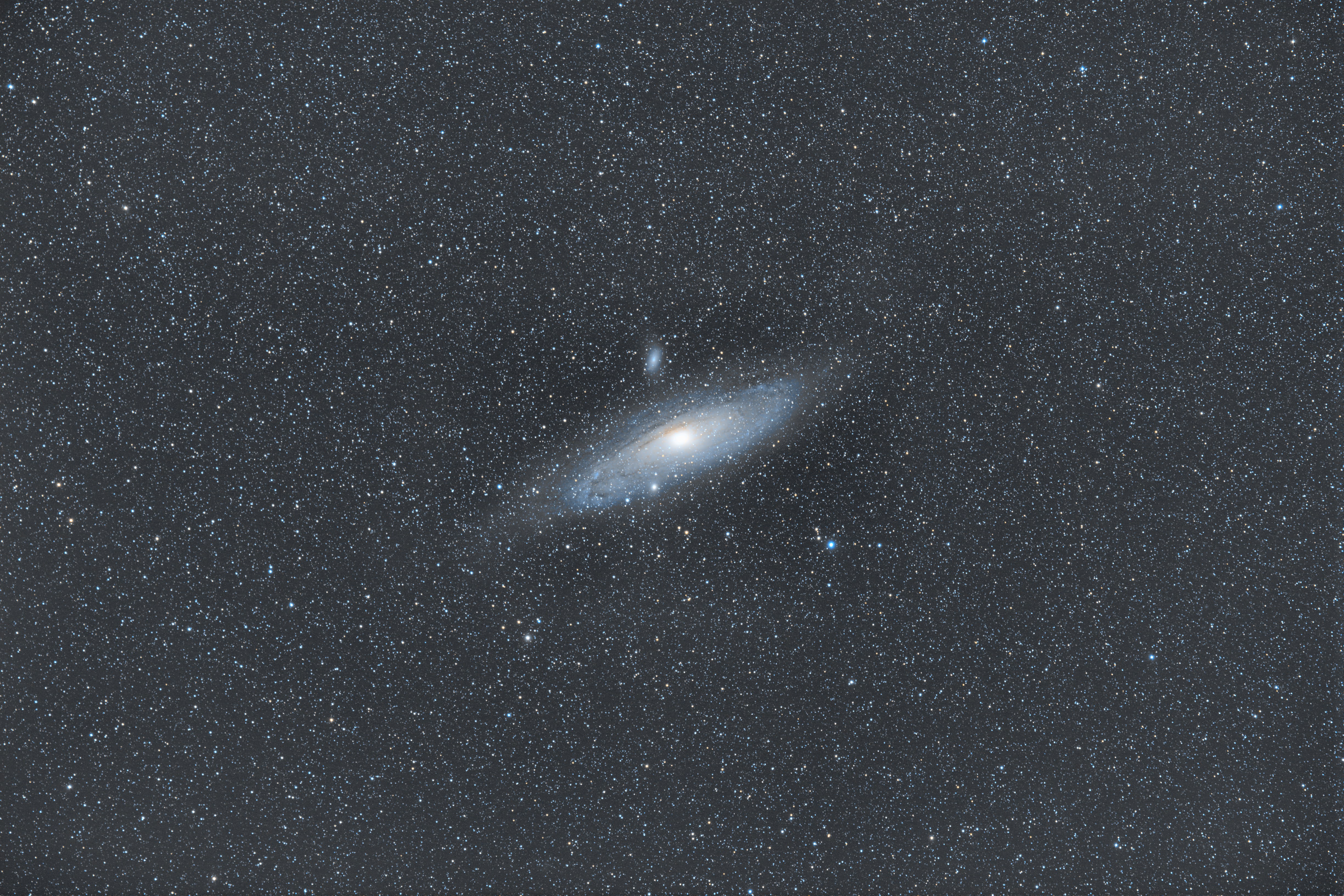
Andromeda Galaxy M31
October 2021. Samyang 135mm F2 lens. 52x1min. Unmodified Canon kiss x7i camera (EOS700D). Click image for full resolution in new tab.
NGC3189 and friends
Taken April 2021. 30x300sec through Baader luminance filter. Celestron C11 + 0.63x reducer

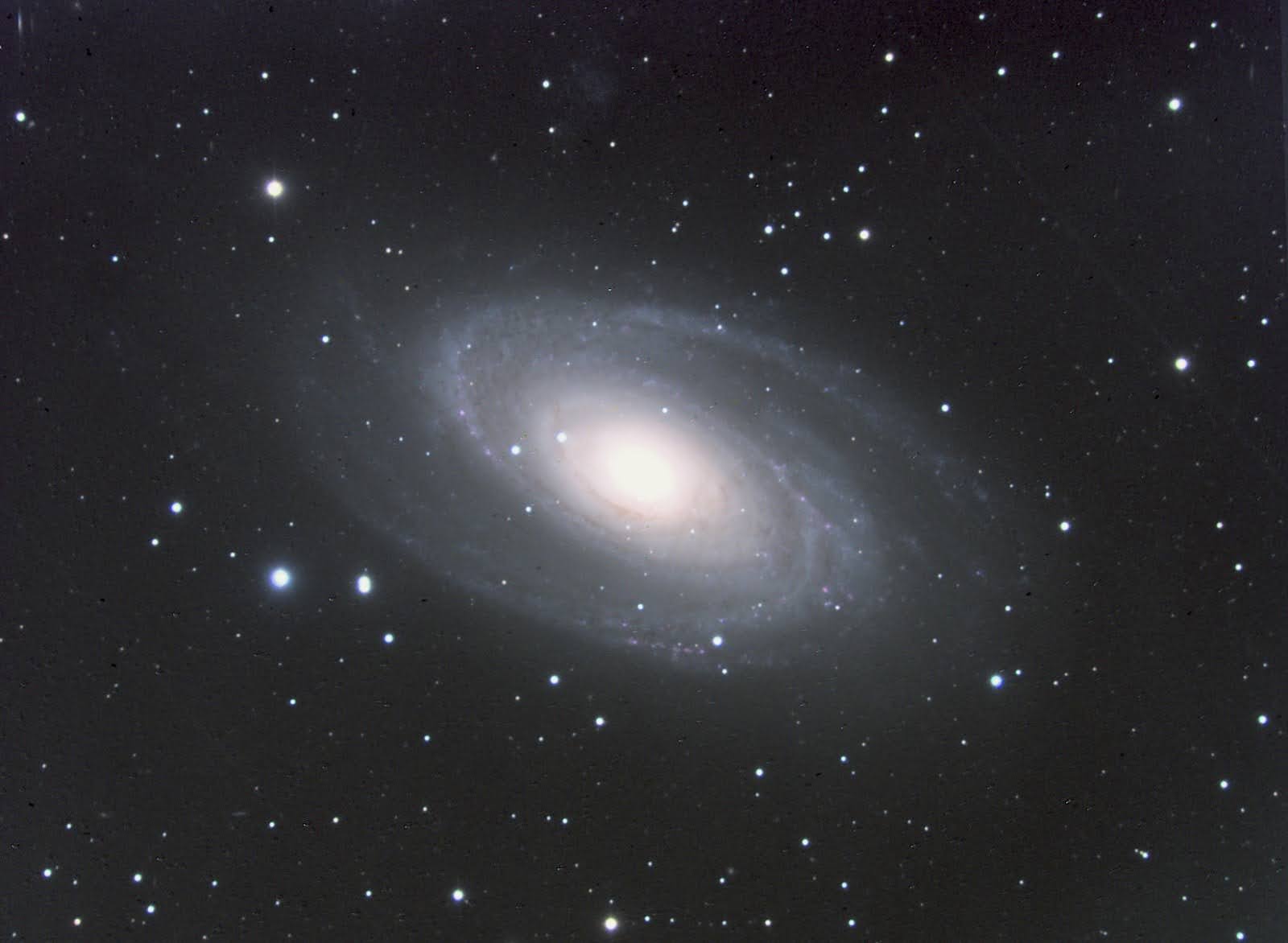
M81
Taken Dec 2020 / Jan 2021
10.5 hours total exposure through Baader LRGB filters. Celestron C11 + 0.63x reducer
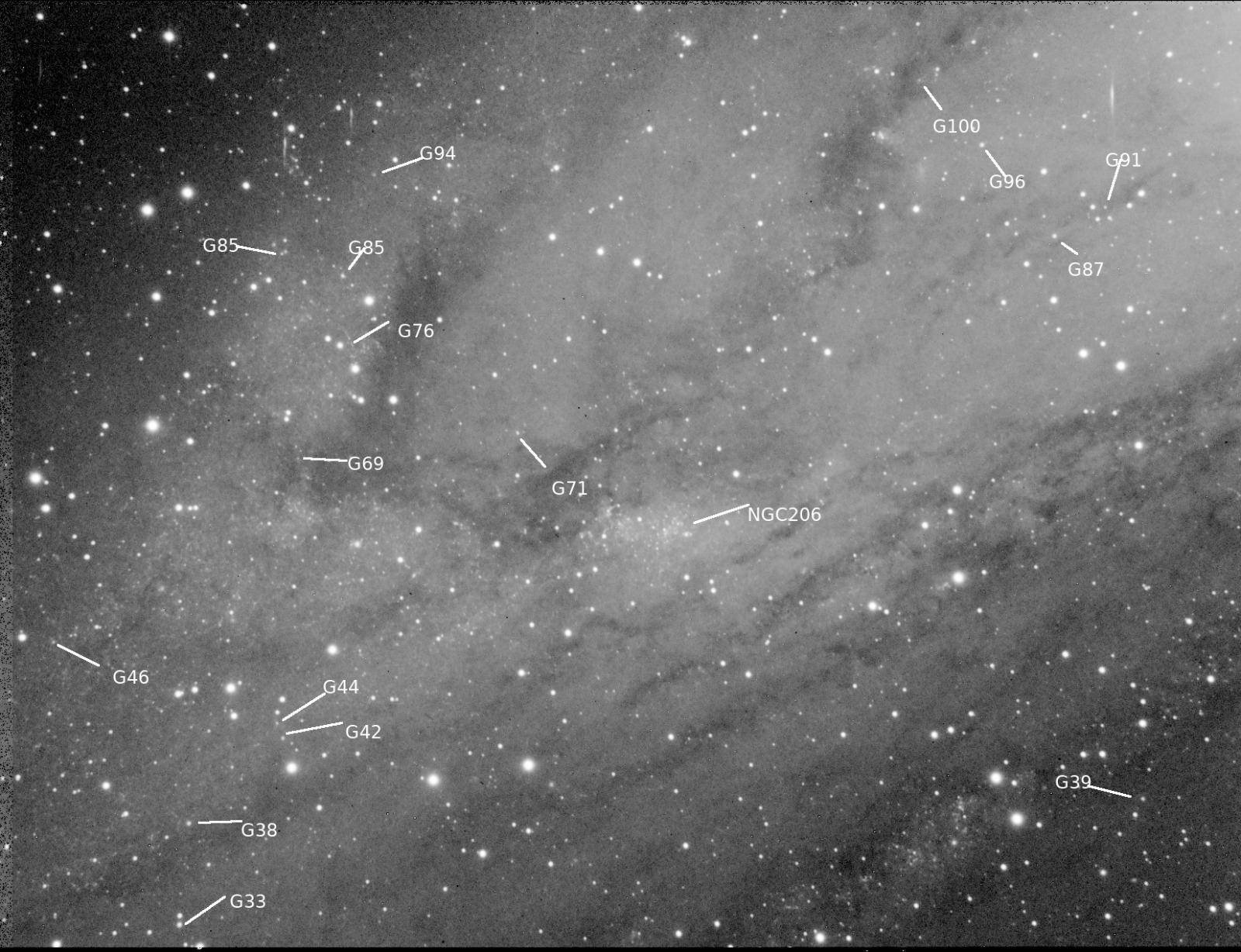
Globular clusters in M31
Taken September 2020. 15 globular clusters in the M31 galaxy 2+ million light years away.
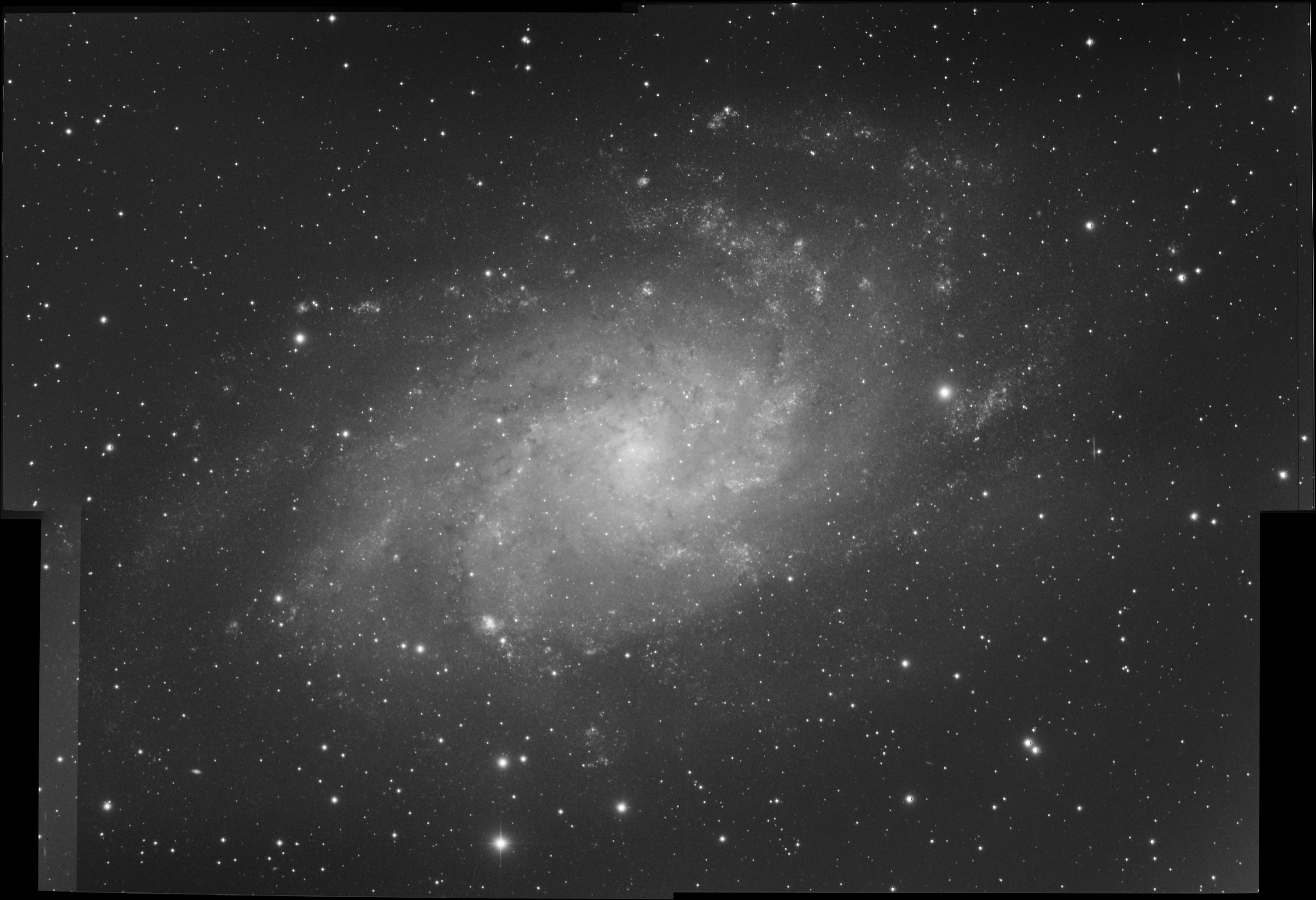
M33
Taken during winter 2019 / 2020.
4 panel mosaic through Baader luminance filter. Celestron C11
Click here for a high res view in a new tab
M87 and jet
April 2019. M87 is a large eliptical galaxy with a black hole at its core. This image also shows the jet of material ejected from the black hole’s axis of rotation.

Needle galaxy
NGC 4565 or Caldwell 38, is an edge-on spiral galaxy located approximately 30 to 50 million light-years away in the constellation Coma Berenices. C11 scope LUM filter

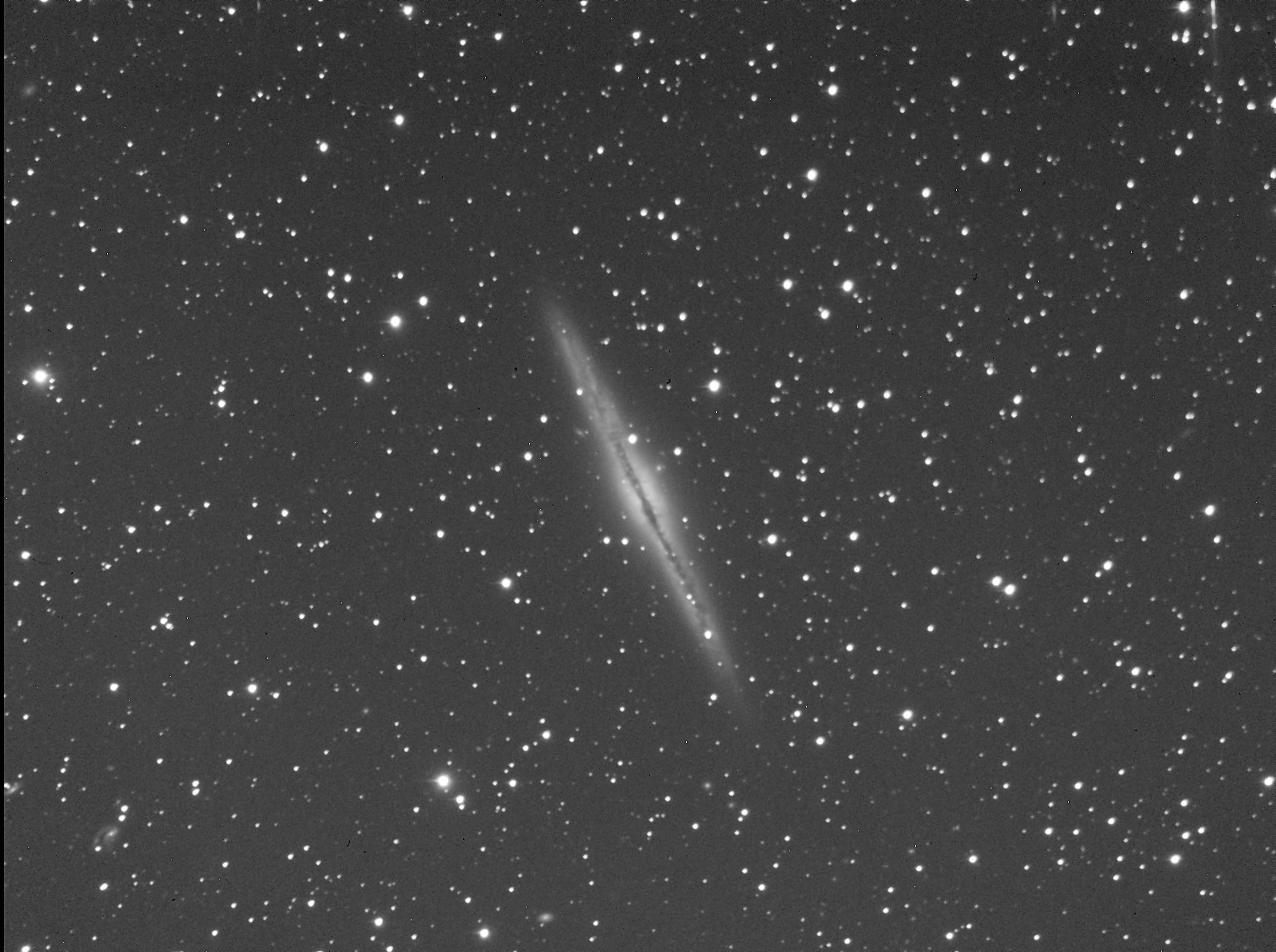
NGC 891 galaxy
NGC 891 (also known as Caldwell 23, the Silver Sliver Galaxy, and the Outer Limits Galaxy) is an edge-on unbarred spiral galaxy about 30 million light-years away in the constellation Andromeda
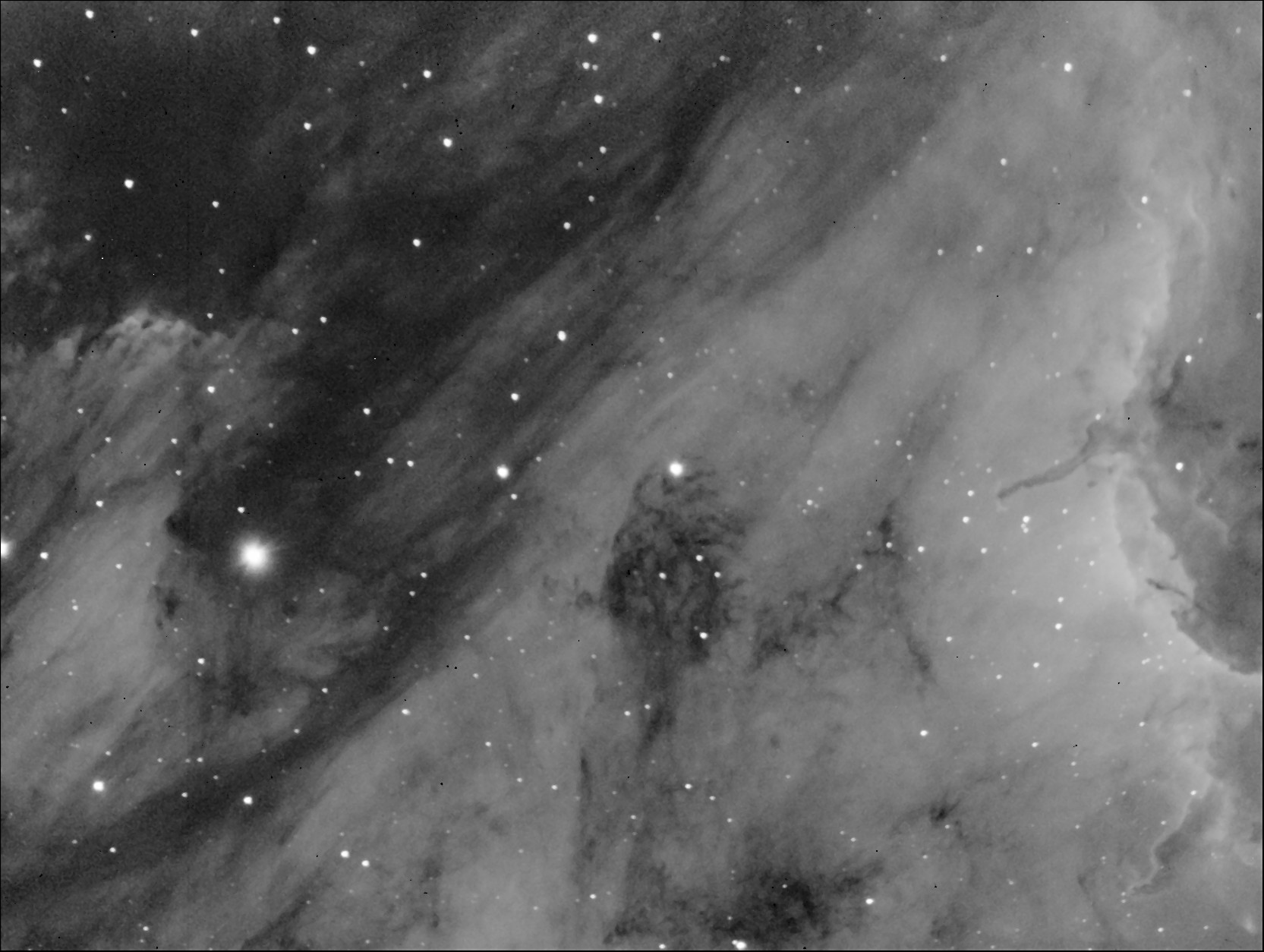
The Pelican nebula in HA
The pelican nebula is a region of ionized hydrogen in our galazxy. 20 x 5min exposures using a 7nm HA filter. C11 scope + ATIK383L camera.
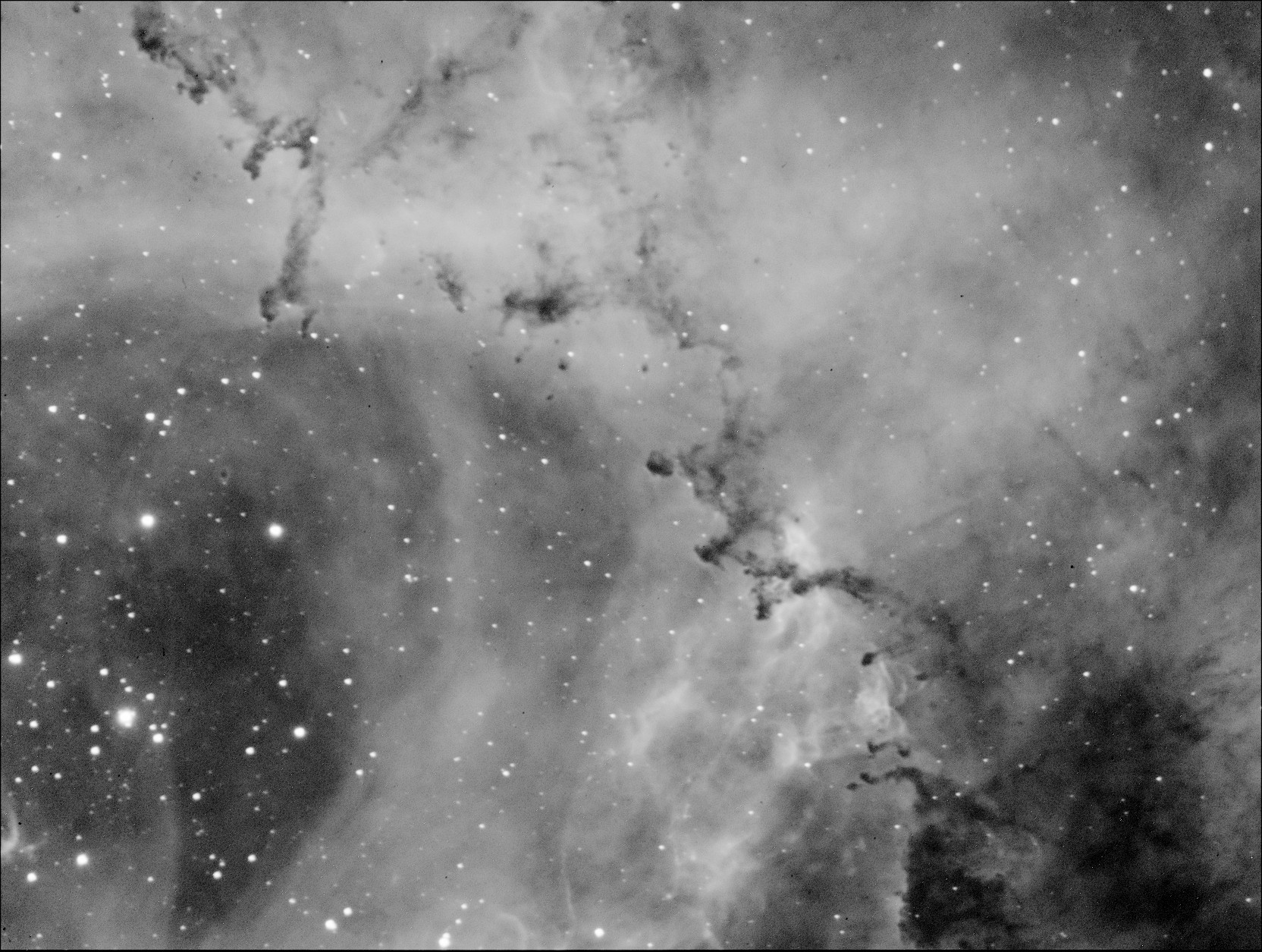
The Rosette nebula in HA
The Rosette nebula is a region of ionized hudrogen in our galaxy. Image taken using a 7nm HA filter, C11 scope + ATIK383L camera.
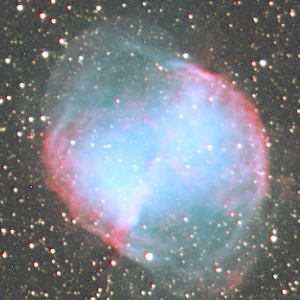
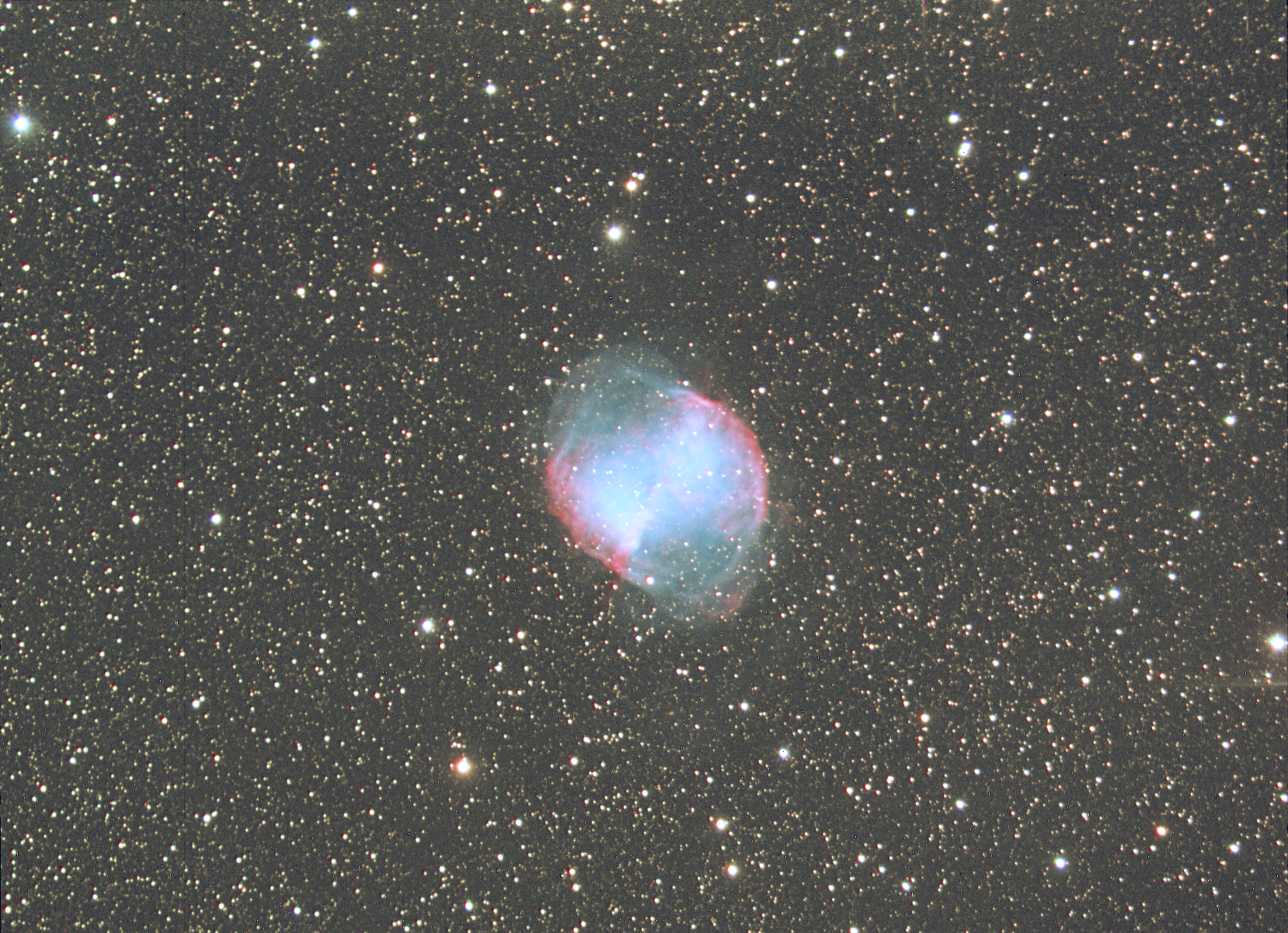
M27 in colour
Taken July 2019. 90min total exposure time through Baader LRGB filters.
Elephant trunk nebula
Taken 2016 using a 7nm HA filter. Celestron C11 + 0.63x reducer

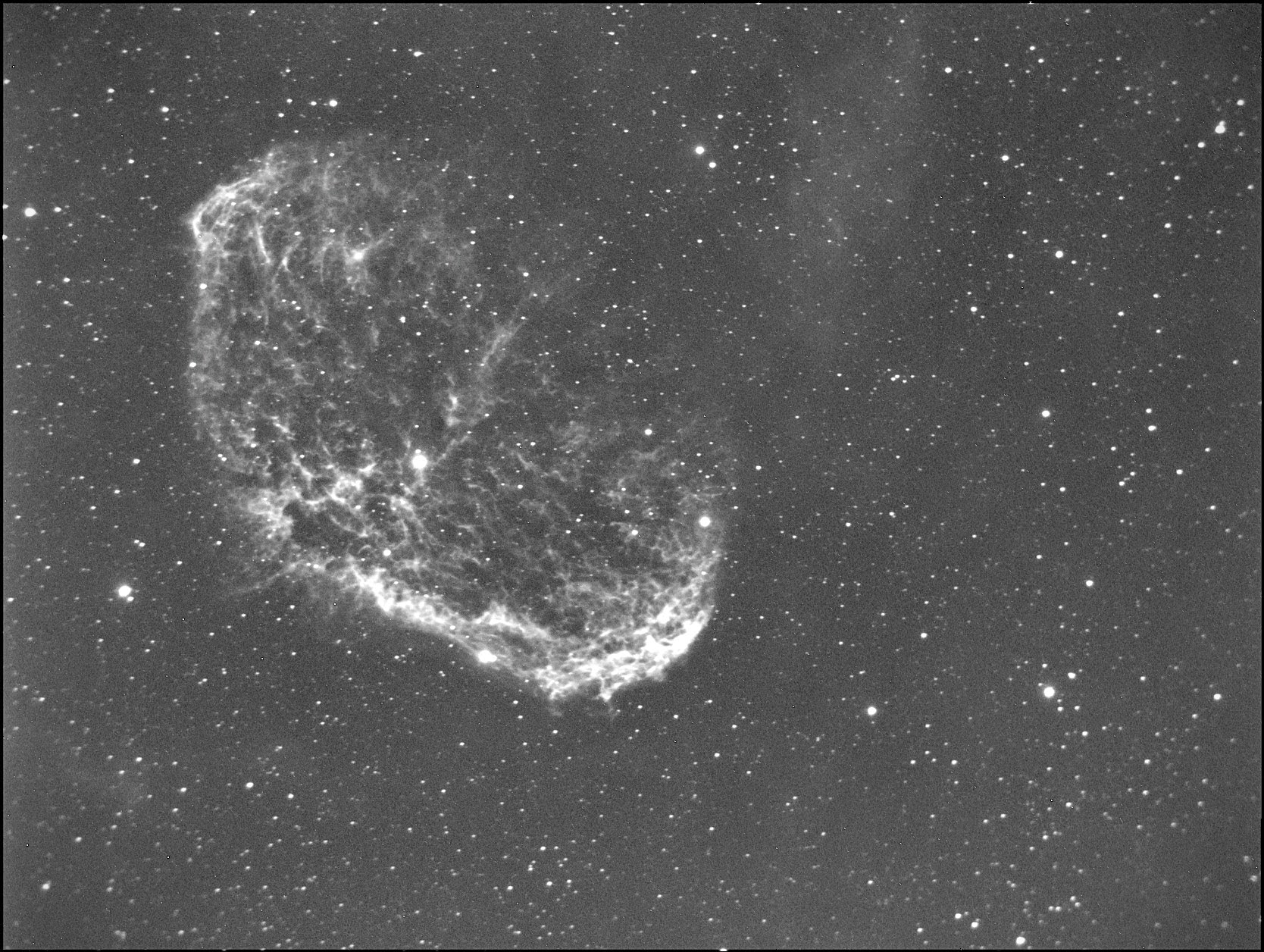
Crescent nebula
Taken 2016 using a 7nm HA filter. Celestron C11 + 0.63x reducer. 5000 light years away in the summer constellation Cygnus.